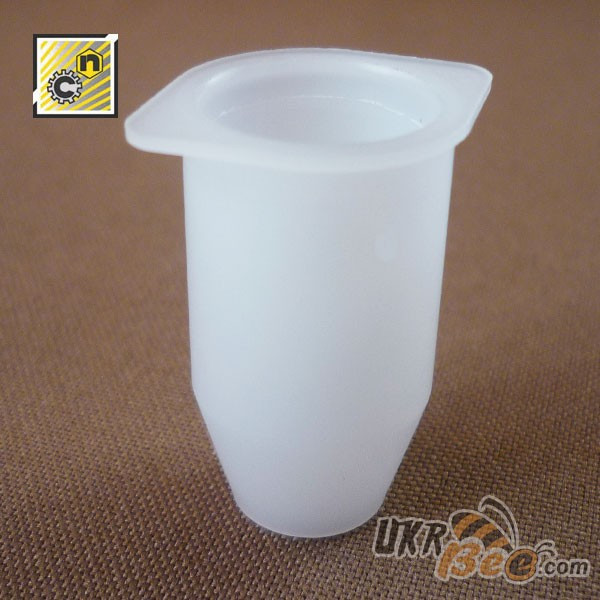
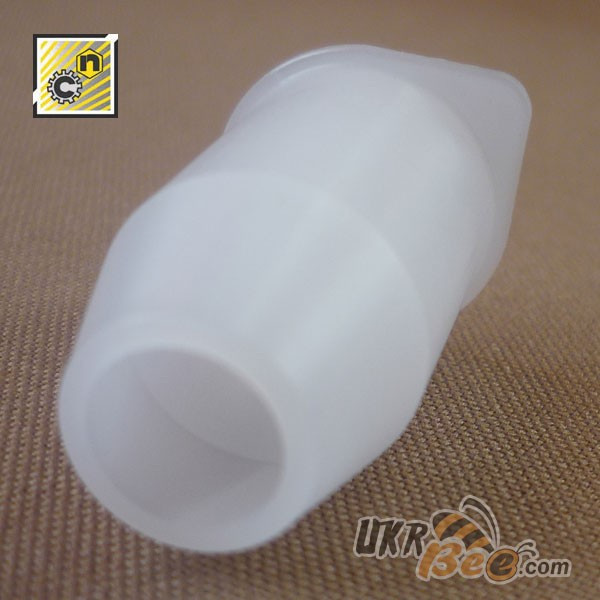
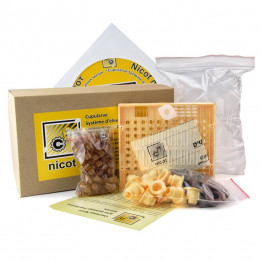
Nicot Queen Cell Protector Cap
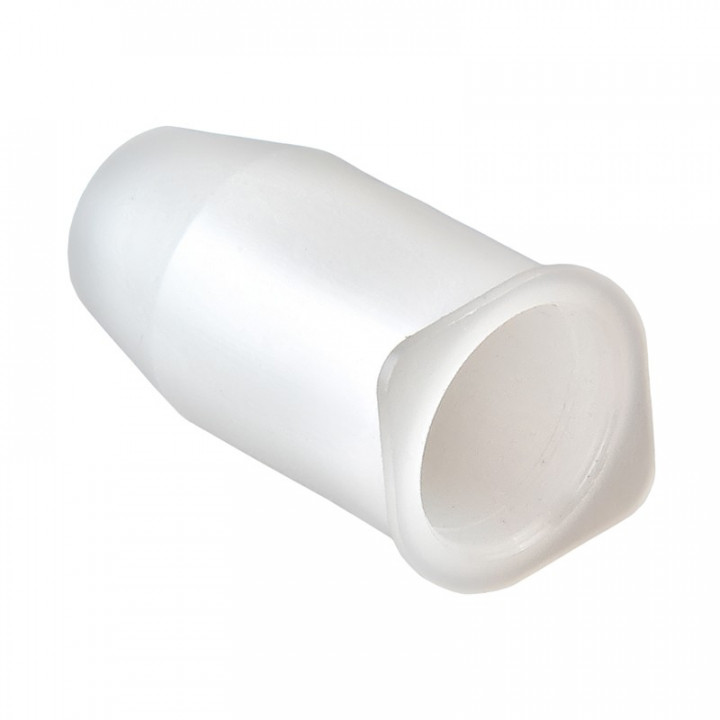
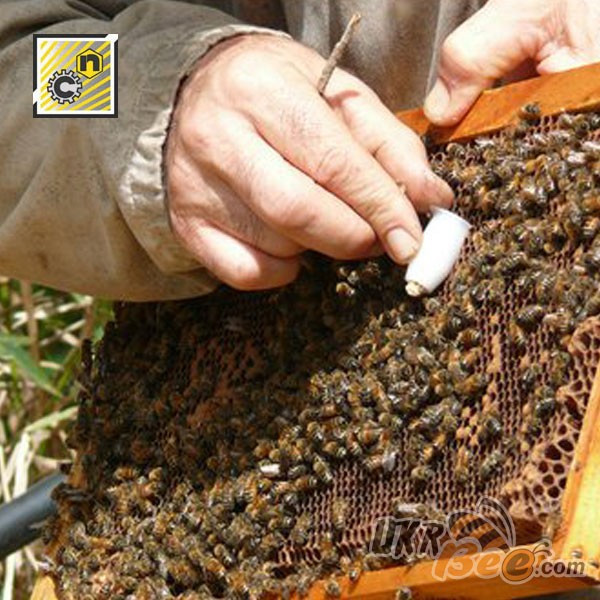
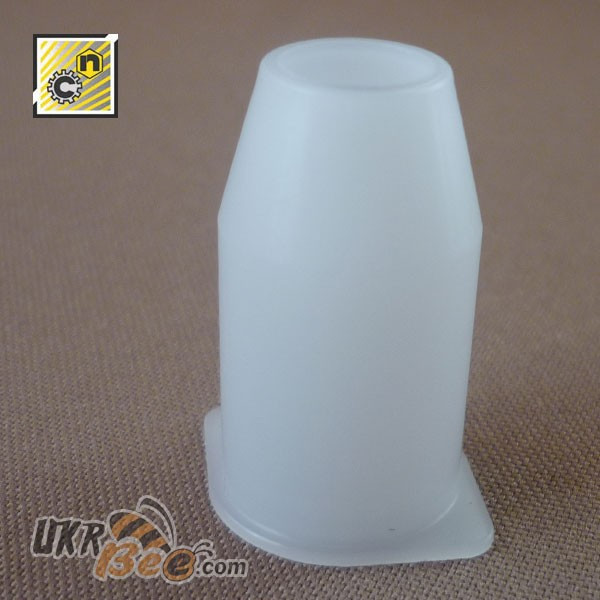
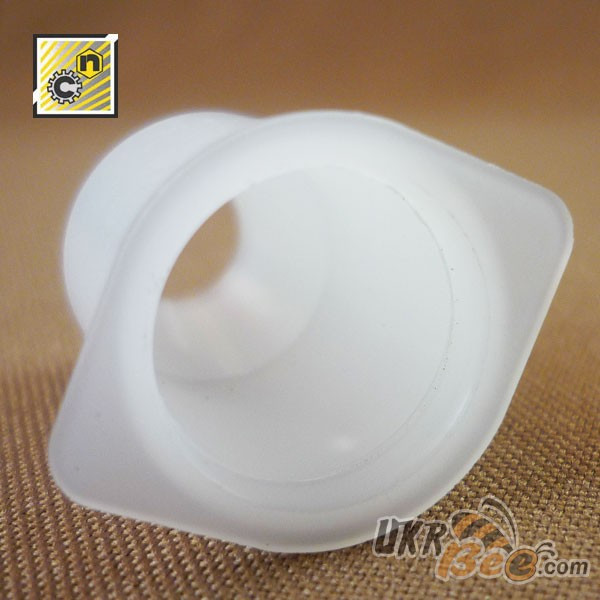
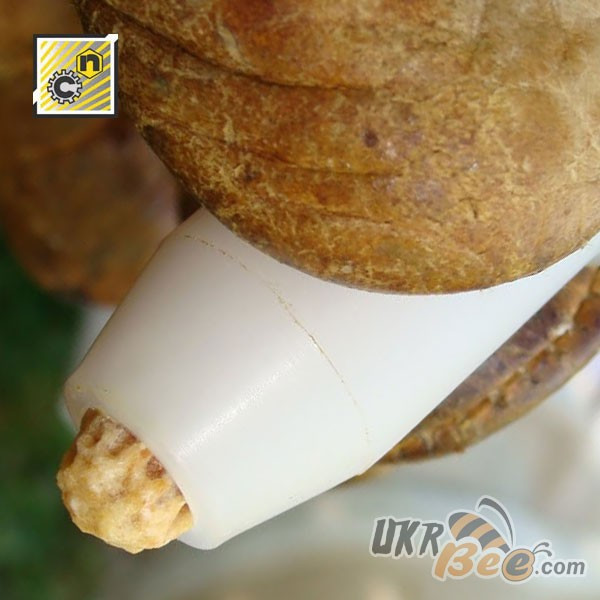
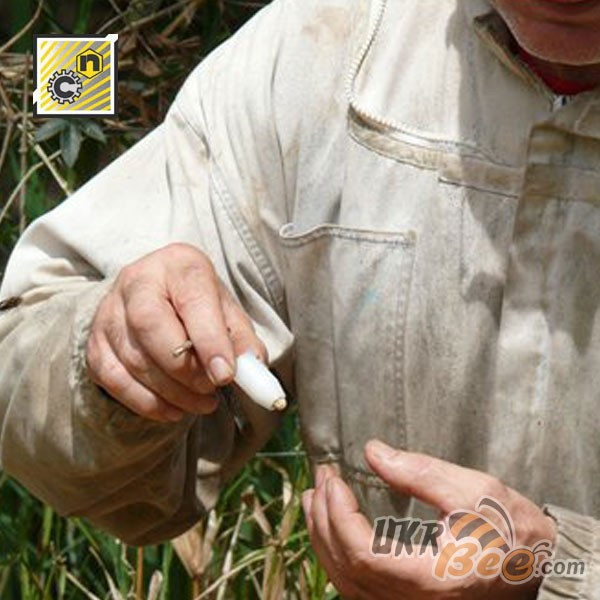
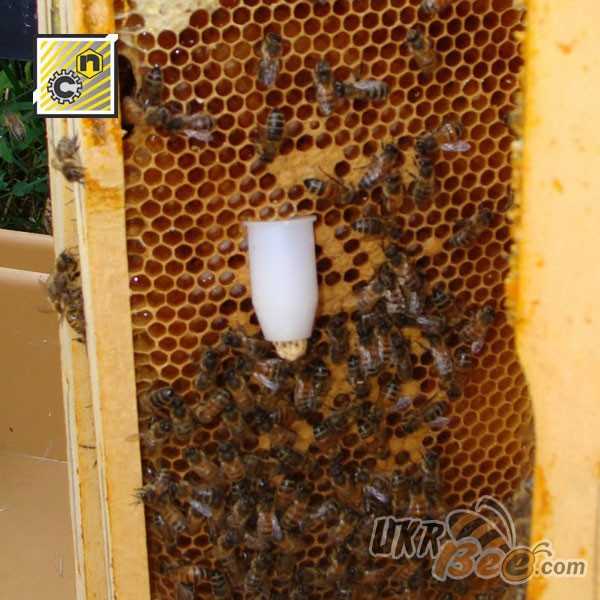
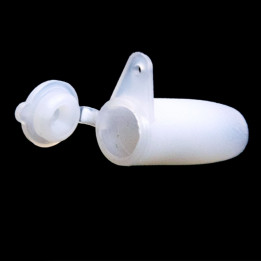
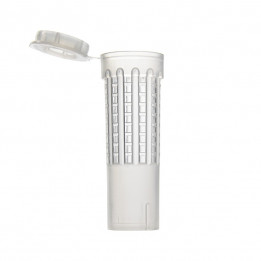
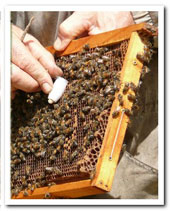 In modern beekeeping, it is very difficult to achieve strong results without working with queen bees and queen cells. When moving queen cells or introducing a ripe queen cell into a bee colony or nucleus hive (nuc), beekeepers try to protect it. Wire or foil used to be used for this, but these methods are now a thing of the past. In modern beekeeping, it is unacceptable to rely on chance and hope that foil or wire will be strong enough. For placing a queen cell, the French company Nicoplast has produced special Nicot caps for introducing a queen cell or a queen bee. The Nicot cap follows the shape of a natural queen cell and reliably protects it from bees and external impact. The side lugs on the cap allow it to be positioned between frames or directly on the comb. A ripe queen cell is recommended to be placed near brood, where young bees are emerging. This helps ensure good acceptance of the queen bee that will emerge from the protected queen cell.
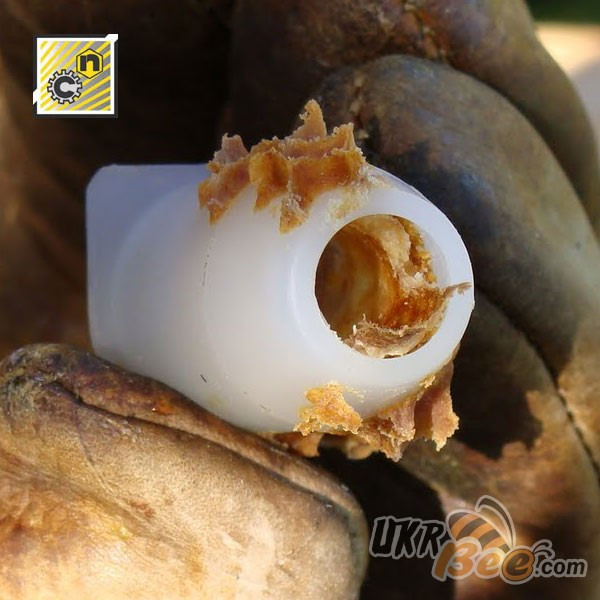
In addition to protecting a queen cell, this cap is often used as an artificial queen cell. To do this, the queen bee is placed inside the cap. The opening is sealed with wax and small holes are made. The bees gnaw through the wax and release the queen bee. The process resembles the natural emergence of a queen bee from a queen cell.
Hot water can be used to clean parts of the Nicot system, but it should be noted that wax melts at 65°C, while the plastic used in the Nicot system may deform at 75°C (according to the manufacturer’s data - Nicot, France).
Manufacturer: S.A.S. NICOTPLAST, Maisod, France (Nicot™, Nicot, France).